01What makes social media so compelling?
Likes, comments and endless new content give quick, intermittent rewards. With constant comparison to others' lives, anxiety and sadness may grow. Read about the signs of social media addiction and its causes.
02Steps of treatment
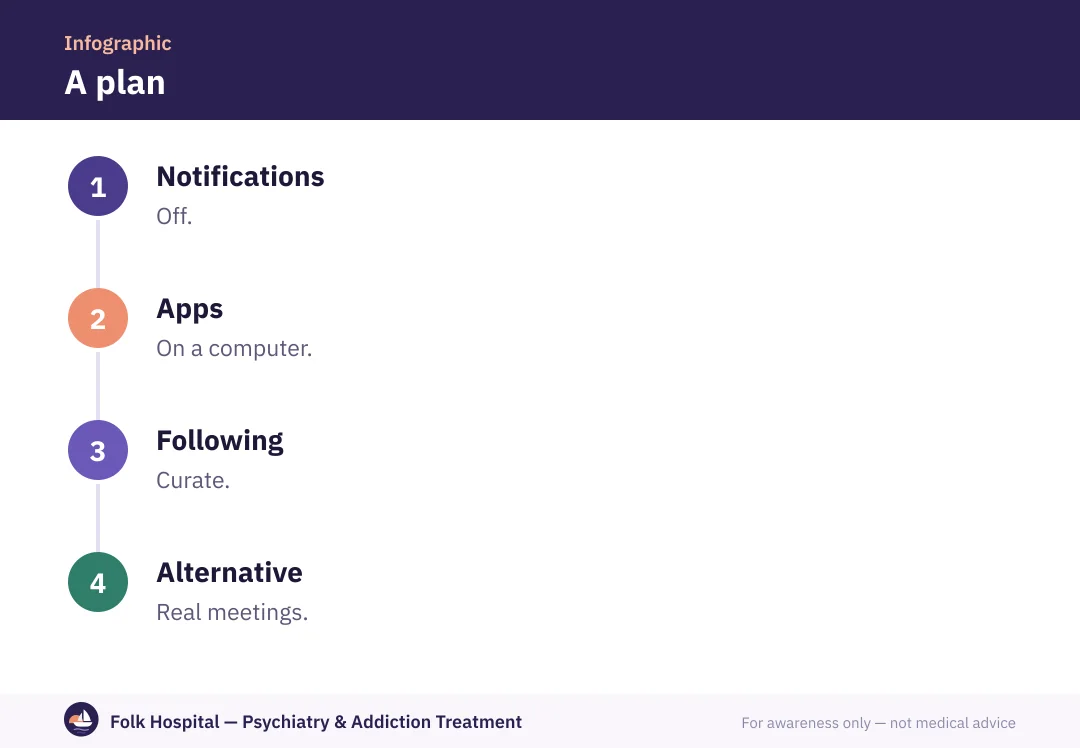
- Turn off notificationsfor all social apps.
- Delete from the phoneuse platforms from a computer only, at set times.
- Clean up who you followunfollow accounts that make you feel inadequate or angry.
- Social-free timesa day a week or set daily hours.
- Use with a purposeopen the app for a specific reason, then close it.
- Real relationshipsmeetings and calls instead of only virtual interaction.
03Mindful versus automatic use
Automatic use
Mindful use
- Opening the app at any boredom | Opening it for a specific purpose
- Endless scrolling | A set time, then closing
- Comparison and feeling inadequate | Following what's useful and inspiring
- Staying up late | Phone out of the bedroom
04When do you need help?
If use comes with anxiety, depression, ongoing insomnia or isolation, or attempts to cut down keep failing. Cognitive behavioural therapy helps here.
Read about the harms of social media and phone addiction treatment.
؟Frequently asked questions
Should I delete my accounts for good?
It isn't necessary for most people; the aim is regaining control, and temporary deletion is sometimes useful as a start.
Why do I feel bad after scrolling?
Comparison with others' curated lives, negative news and late nights all affect mood and self-image.
Does social media cause depression?
Excessive use is linked to more anxiety and sadness, especially in teenagers, though it isn't the only cause.
How do I start a digital detox?
Start with one day a week without social media, with a plan of alternative activities, then increase gradually.
Sources and references
- Addiction: what is it? — NHS (UK)
- Anxiety Disorders — National Institute of Mental Health (NIMH)
- Depression — National Institute of Mental Health (NIMH)
- Psychotherapies — National Institute of Mental Health (NIMH)
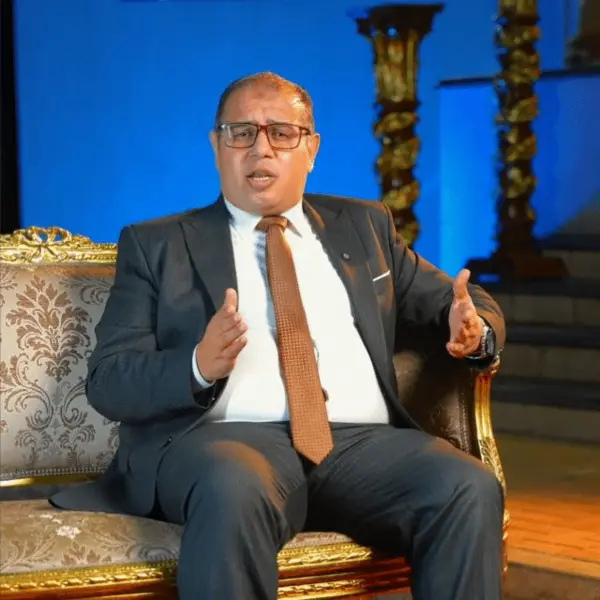
A specialist in psychological rehabilitation, behaviour modification and relapse prevention, with over 15 years in addiction programmes.
For awareness only — not a substitute for medical advice. Editorial policy · View profile